
Sports Betting With Paysafecard in New Zealand
 Available in US
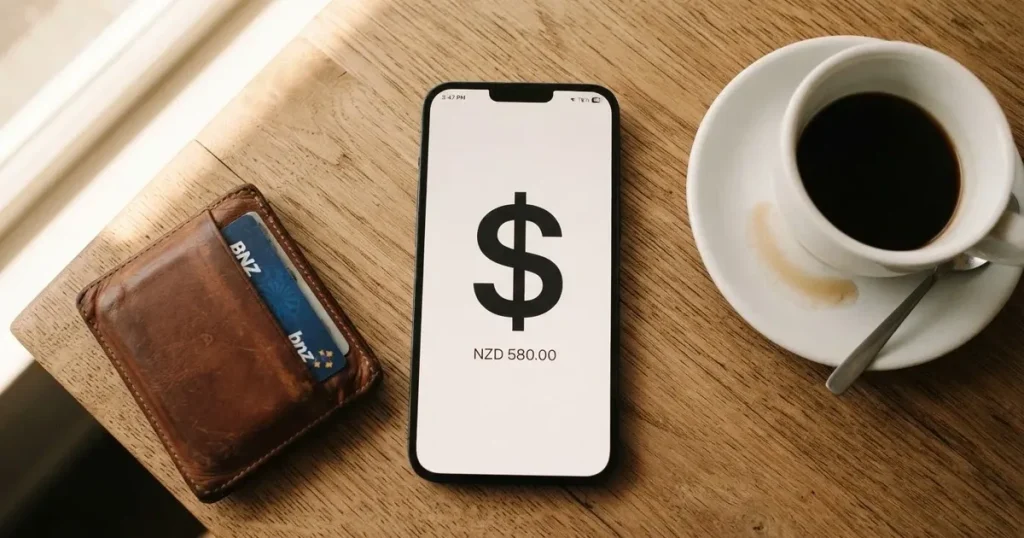
The question is straightforward: can a Kiwi punter use paysafecard to back a horse, place a multi on the Warriors, or fund a TAB account? The answer in 2026 is narrower than a Google result makes it look. New Zealand’s betting law gives one provider the exclusive right to take racing and sports bets from people in New Zealand, and that provider’s accepted deposit methods are its own business. The practical story for someone holding a 16-digit paysafecard code is what this page lays out: how the voucher works as a payment instrument, which licensed brand (and only that brand) a New Zealand resident can actually bet with, and what offshore operators a punter encounters online mean for them.
*Current as of October 30, 2026 · verified against the Racing Industry Act 2020 and TAB NZ’s published terms.*
How paysafecard works as a betting deposit
Paysafecard is a prepaid payment method, not a bank product. A punter buys a voucher with cash at a retail outlet or purchases a code online, then redeems that 16-digit code at a bookmaker’s cashier instead of entering a card number. No bank account is involved, no credit check, no personal data shared with the merchant beyond the code itself. The electronic money behind the voucher is issued by Prepaid Services Company Limited, which holds a UK Financial Conduct Authority licence; the brand sits inside the Paysafe group, headquartered on the paysafecard platform.
The mechanics matter because they determine what a punter can actually do with one. Vouchers come in fixed denominations. The standard issue is €10, €25, €50, €75 and €100, with roughly equivalent sums in other currencies the provider supports — US dollars, pounds sterling and Australian dollars are the principal ones, and most local currencies translate into something close to those tiers. A punter can combine up to ten codes in a single transaction at the cashier, so the practical ceiling for a paysafecard-funded bet is the sum of ten €100 vouchers if the bookmaker accepts that many codes at once. Anything beyond that requires another payment method.

Three practical limits follow from how the voucher is built:
- No withdrawal back to the same code. A paysafecard code is one-way: it spends down and disappears. A winning bet cannot be paid out to the same voucher because the voucher no longer exists once the bookmaker has redeemed it. Bookmakers that accept paysafecard for deposits usually require a different method for withdrawals — a bank transfer, an e-wallet or, in the crypto-friendly offshore market, a coin payout. The cashier, not the punter, decides what gets returned.
- Balance check before deposit. A code’s remaining value can be checked on the provider’s balance-check tool by entering the 16 digits. Codes that have been partially spent still work; codes that have been used in full do not. A punter redeeming a code worth less than the deposit floor of the chosen bookmaker will have the transaction declined.
- No credit, no overdraft. Prepaid means what it says. The punter’s exposure is capped at the total face value of the codes they have bought, which is also why this payment method appeals to bettors who want a hard ceiling on what they can lose in a session.
Paysafecard was founded in 2000 in Vienna, Austria. Skrill acquired the company in 2013; Optimal Payments, which had itself bought Skrill in 2015, rebranded as Paysafe. The paysafecard proposition today is essentially what it was at launch — cash in, code out, code in at the merchant — wrapped in the compliance apparatus of a regulated e-money issuer.
Where paysafecard fits at the TAB NZ cashier
This is where the general description meets the New Zealand specifics. The two brands of TAB NZ — TAB and Betcha — accept deposits through their own cashier pages inside the apps and on the websites. Paysafecard is one of several prepaid and e-wallet options the cashier lists alongside debit card and bank transfer; the exact set of accepted methods, the minimum deposit for each, and the processing times are TAB NZ’s own terms and change from time to time, so the practical step for a punter is to check the cashier inside the app before assuming a particular code will go through.

A punter who walks in with a €100 paysafecard code and an NZ$ stake in mind has to do a quick mental conversion. Paysafecard is denominated in euro by default; if the TAB NZ cashier accepts the code, the deposit lands in the punter’s wallet in NZ dollars at whatever exchange rate the cashier applies on the day. The punter’s stake is then sized in dollars, not euros, and the voucher disappears. Whether paysafecard appears in the cashier at all is a question only the cashier itself answers for the current session; nothing in this page overrides what the live cashier shows.
The New Zealand payments landscape for betting
Prepaid sits inside a wider set of payment methods a New Zealand punter meets at online bookmakers. The licensed brand — TAB NZ, through its TAB and Betcha brands — accepts the methods its own cashier publishes. Offshore brands that accept New Zealand residents despite the 2025 monopoly law publish their own cashier pages, and the methods there are different again.
Across the brands a Kiwi punter actually encounters, the recurring categories are:
- Card payments. Visa and Mastercard debit is the baseline. Card deposits typically clear in seconds and have low minimums — Rooster.bet, for instance, lists a €20 minimum on Visa and Mastercard with no fees charged on the bookmaker side, and card withdrawals of 1–3 banking days. Credit cards are restricted under the Credit Contracts and Consumer Finance Act 2003 for gambling transactions in New Zealand, so a credit-card deposit at a bookmaker will be declined by the issuer even if the cashier allows it.
- Bank transfer. Direct debit from a New Zealand bank account works at TAB NZ and at most offshore brands. It is slower than card (typically one to three business days) and the minimum tends to be higher, but it is the most reliable way to move larger sums without hitting card limits.
- E-wallets. Skrill, Neteller and PayPal appear at offshore brands; paysafecard sits in this category by behaviour, though it is technically a prepaid voucher rather than a wallet. Skrill and Neteller frequently exclude the deposit from bonus eligibility, so a punter chasing a welcome offer must read the terms before paying this way.
- Crypto. Offshore brands increasingly accept Bitcoin, Ethereum, Litecoin and stablecoins. Winz.io lists BTC, ETH, LTC, BCH, DOGE, USDT, BNB, ADA, TRX, XRP and SOL, deposits by wallet connection, and advertises instant withdrawals. Crypto is not on the TAB NZ cashier; New Zealand law does not block crypto deposits, but TAB NZ’s terms do.
- Paysafecard. Prepaid codes, the subject of the next section.
The honest summary is that paysafecard is a perfectly serviceable deposit method at any bookmaker that lists it, with the standing limitations of a one-way prepaid instrument. Where it stops being serviceable is the withdrawal — and the cashier of whatever brand a punter uses is where that limitation shows up.
Cashier and deposit mechanics in practice
The flow at a bookmaker cashier that accepts paysafecard is the same regardless of brand. The punter selects paysafecard from the deposit list, enters the amount they want to load (in the currency the cashier uses), is prompted for the 16-digit code, and confirms. The cashier checks the balance of that code against the deposit amount; if the code has enough on it, the deposit posts. If the deposit exceeds the code’s remaining balance, the cashier may allow the punter to add up to nine further codes in the same transaction to make up the difference, up to a combined ceiling set by the cashier. Processing is instant; the wallet is credited before the punter closes the tab.
Three things to watch in this flow:
- Currency mismatch. A punter redeeming a euro-denominated code at an NZ-dollar cashier takes the foreign-exchange rate the cashier publishes at the moment of redemption. The rate is rarely the best rate the punter can get elsewhere.
- Partial redemption. A €25 code used to fund a €20 deposit leaves €5 on the code. The punter can spend that €5 at any paysafecard-accepting merchant, not just the original bookmaker. Losing track of the residual is the commonest way a paysafecard balance quietly evaporates.
- Code validity. Codes have a usage window after purchase; an expired code cannot be redeemed, and the balance check returns zero. The provider’s own terms spell out the expiry period for the relevant country, and a punter holding an old code must check it before assuming it will go through.
Comparing Brands for Paysafecard Users
Four brands sit in the comparison this page works through: TAB and Betcha as the two online brands of the licensed provider, and two offshore brands a New Zealand punter meets online. The point of the ranking is not to flatter any of them; the point is to show what each offers a punter who turns up with a paysafecard code in hand, and where the comparison breaks down because the brands do not operate under the same rule.
| Brand | New Zealand status | Position on paysafecard and related payments |
|---|---|---|
| TAB | TAB NZ brand — licensed to take racing and sports bets from people in New Zealand | Paysafecard is one of the prepaid and e-wallet methods in the TAB NZ cashier; minimums and processing times come from the live cashier in the app or on the website |
| Betcha | TAB NZ brand — licensed to take racing and sports bets from people in New Zealand | Same cashier arrangement as TAB; both brands run on the TAB NZ wallet |
| Rooster.bet | Not licensed in New Zealand | Lists Visa and Mastercard with a €20 minimum, instant deposits, and card withdrawals of 1–3 banking days; paysafecard availability is brand-level and must be checked at the cashier |
| Winz.io | Not licensed in New Zealand | Crypto-first cashier (BTC, ETH, LTC, BCH, DOGE, USDT, BNB, ADA, TRX, XRP, SOL); deposits by wallet connection; advertises instant withdrawals and no deposit limits; paysafecard is not the cashier’s primary rail |
The first thing the table makes plain is that TAB and Betcha are not rivals. Both are online brands of the same operator group, both run on the TAB NZ wallet, and a punter’s deposit at one is available at the other. Reading them as competitors to choose between misreads the structure of the New Zealand market; the practical difference between the two is the product mix and the promotional calendar, not the licence.
The second thing is that the offshore brands operate under a different rule entirely. Rooster.bet and Winz.io are not licensed to take bets from people in New Zealand. The New Zealand Department of Internal Affairs warned providers serving New Zealand residents to withdraw with immediate effect when section 74AAA took effect on 28 June 2025, and the offshore brands that remain accessible from a New Zealand IP address have done so on their own calculation of the risk. A punter who bets with them has no New Zealand complaints route, no New Zealand harm-minimisation framework applying, and is exposed to the Department of Internal Affairs’ stated risks: that an overseas operator may not return unspent credits and may not pay out large wins.
The third thing is that paysafecard is not the headline method at any of these four. It is a working rail at TAB NZ’s cashier, and it is one of several cards and e-wallets at offshore brands. A punter who chose paysafecard because they wanted hard control over what they can deposit in a session will get that at the licensed brand; a punter who chose it for the sake of faster payouts will not, because the voucher does not come back.
The comparison in plain prose
What the table cannot carry is what each brand actually costs a punter in time and friction. TAB and Betcha share the same wallet and the same cashier, so the deposit method a punter picks at one is the deposit method at the other; the punter’s only real choice between them is which brand’s product they want to bet on. Both honour the same responsible-gambling tools — deposit limits, time-outs and self-exclusion across both brands — and both list the New Zealand Gambling Helpline.
Rooster.bet’s card minimum of €20 puts it within reach of small deposits, and its 1–3 banking day withdrawal window is ordinary for offshore brands on cards. The brand names a Tobique Gaming Commission licence (No. 0000002) through holder Novatrix SRL, which gives no right to take bets from people in New Zealand. A punter in New Zealand using Rooster.bet is on a brand whose licence does not cover them, with no local complaints route if a payout stalls.
Winz.io is the crypto-first option of the four. Its cashier takes eleven coins and stablecoins, deposits by wallet connection, and advertises no deposit limits and instant withdrawals. The minimum withdrawal on Thunderpick’s terms (a comparable crypto operator) is €10 with a €20 closing fee on accounts closed at or below €20 — a cost that lands on small-balance withdrawals specifically. A punter at Winz.io who wins small and closes small will not feel the closing fee; a punter who wins small and leaves the account open for a year may.
The legal frame a paysafecard punter is operating in
New Zealand’s betting law changed decisively on 28 June 2025. The Racing Industry Amendment Act 2025 inserted section 74AAA into the Racing Industry Act 2020: no person other than TAB NZ may offer racing betting, sports betting or other racing or sports betting to a person in New Zealand, regardless of where that person is resident or incorporated. The Department of Internal Affairs told providers serving New Zealand residents to withdraw with immediate effect. There is no licence to apply for and no licence register for bookmakers, because there is only one lawful provider.
TAB NZ is run as a partnership between TAB New Zealand and Entain, with a 25-year agreement signed in 2023 that gives Entain a 50/50 share of gross profits, at least $150m a year going to TAB NZ for the first five years, and a one-off $100m payment by Entain to the racing sector. TAB and Betcha are the two online brands under this arrangement; they are not competing bookmakers, and the partnership structure is the reason both brands sit behind the same cashier.
What this means for a punter with a paysafecard code is direct. The lawful place to spend that code on a bet is the TAB NZ cashier — TAB or Betcha. An offshore bookmaker that accepts the code is taking the bet from a New Zealand resident in breach of section 74AAA; the breach is the operator’s, not the punter’s. Section 19(4) of the Gambling Act 2003, inserted in 2025, says an individual may not be convicted for placing a bet with an offshore betting operator in breach of section 74AAA, so there is no published penalty for a New Zealand punter who bets offshore. New Zealand does not geo-block offshore sites, so a paysafecard-funded deposit at an offshore brand is not technically prevented.
The honest framing is that the law targets the operator. The punter’s exposure is operational: an offshore operator may not return unspent credits or pay out large wins, as the Department of Internal Affairs has warned. Paysafecard deposits are no different from card or bank deposits in this respect — the instrument does not change the legal status of the bet.
What may be bet on, and by whom
TAB NZ takes fixed-odds bets and tote (pool) bets. The published betting rules cover Win, Place, Each Way, Quinella, Exacta, Trifecta, First Four, Double, Treble, Daily Double, Running Double, Quaddie and Big6, plus Multis and Same Game Multis. Live betting is available in the TAB NZ apps. Racing codes covered are thoroughbred, harness (trots) and greyhounds; greyhound racing is closing from 1 August 2026, and from that date offshore operators may not take bets on greyhound races either.
The lawful sporting catalogue covers the All Blacks, Super Rugby Pacific, the NRL, the Warriors, the Black Caps, the Melbourne Cup and the wider international calendar. There is no lawful New Zealand betting exchange; spread betting is outside TAB NZ’s sports-betting definition. Whether esports betting counts as “sports betting” under the Racing Industry Act has not been established by the regulator or the courts. Politics and novelty markets are not established either way. A punter looking to bet on esports, politics or novelty markets has no lawful New Zealand option.
The minimum age for TAB NZ betting is 18, with betting under 18 an offence under section 89 of the Racing Industry Act 2020. Land-based casinos use 20 as the threshold — the two are different and a punter must not conflate them. TAB NZ accounts require a verified New Zealand address and ID, which means a paysafecard-funded deposit is a secondary step after the verification step, not a route around it.
Responsible gambling for paysafecard punters
Paysafecard’s hard-capped nature — no credit, no overdraft, the punter can only spend the face value of the codes they have bought — is sometimes presented as a built-in harm-minimisation feature. That is partly true and partly marketing. The voucher caps what can be deposited in a session, but a punter can buy as many codes as they want, stack them across sessions, and end up with a deposit profile indistinguishable from someone paying by card. The cap is at the code level, not the punter level.
The harm-minimisation framework that applies in New Zealand is the TAB NZ framework. The TAB NZ apps offer deposit limits, time-outs and self-exclusion, with self-exclusion applying across both TAB and Betcha because both brands sit behind the same wallet. TAB NZ lists the free Gambling Helpline on 0800 654 655 and the text line on 8006, alongside the Safer Gambling Aotearoa resources. TAB NZ pays a Problem Gambling Levy of 0.74%, in force from 1 July 2025 to 30 June 2028, which goes to fund the Gambling Helpline and treatment services.
What this framework does for a paysafecard-funded punter in practice:
- Deposit limits set in the TAB NZ app apply regardless of payment method. A punter who has set a $100 daily deposit limit cannot circumvent it by switching from card to paysafecard; the limit is at the wallet, not at the payment instrument. The same applies at Betcha, which runs on the same wallet.
- Self-exclusion cuts the wallet across brands. A self-exclusion set on TAB also blocks Betcha. A punter who has excluded and is looking for a way to keep betting with paysafecard at the other brand will find the door closed.
- The offshore brands do not honour this framework. Rooster.bet, Winz.io and similar offshore brands have their own tools, but no New Zealand harm-minimisation obligation applies to them. A punter who has self-excluded from TAB NZ can still deposit with paysafecard at an offshore brand; this is one of the operational risks DIA flags.
The Gambling Helpline and Safer Gambling Aotearoa are free to use from New Zealand. A punter whose betting has become a problem has those two channels regardless of the brand they bet with.
Tax, advertising and the wider frame
For a New Zealand punter, recreational gambling winnings are generally not taxable, and prize money from TAB horse, dog and trotting races is not taxable under Inland Revenue guidance. A punter whose betting is a business is a different case and must consult Inland Revenue or an accountant — that is general information, not advice. The point is that a paysafecard payout on a recreational bet at TAB NZ is not a taxable event for the punter.
On the advertising side, the Advertising Standards Authority’s Gambling Advertising Code applies to betting advertisements in New Zealand. Ads must not target children (under 14) or young people (14 to under 18), judged by context, appeal and expected audience — a 25% or more share of the audience counts as significant where accurate data exists. Ads must not encourage harm, must be truthful, and must have terms available. There is no New Zealand equivalent of a “whistle-to-whistle” ban for betting. Because only TAB NZ may offer betting, the Department of Internal Affairs reads the law as covering promoting or taking such bets for another operator; how this applies to betting affiliates is not established, which is why this page describes the monopoly and never invites readers to sign up with an offshore brand.
What each operator is worth taking — and for whom
The four brands in the comparison resolve into two very different value propositions. TAB and Betcha are the same operator group with different product mixes; the choice between them is about what the punter wants to bet on, not who is safer or who pays faster. The offshore brands are a different market entirely — different rules, different protections, different operational exposure for the punter.
TAB — the licensed option for racing and sports
TAB is the flagship online brand of TAB NZ. The cashier lists paysafecard among the prepaid and e-wallets, alongside debit card and bank transfer, with the minimums and processing times published in the cashier itself rather than in this page. The betting rules cover the standard racing bet types — Win, Place, Quinella, Exacta, Trifecta, First Four — and a wide sports catalogue. The TAB NZ app includes Trackside live race streaming with in-app betting, racing form, Blackbook and Jockey Challenge tools, and a simplified wallet for deposits and withdrawals.
The harm-minimisation framework sits behind the cashier: deposit limits, time-outs and self-exclusion across the TAB NZ brands, the Gambling Helpline in the app, and the Problem Gambling Levy funding the wider treatment services. The TAB NZ partnership with Entain puts Entain’s product and tech behind the brand and gives TAB NZ a guaranteed revenue floor of at least $150m a year for the first five years of the deal.
The trade-off is straightforward. TAB is the lawful place to bet from New Zealand, which means every paysafecard deposit a Kiwi punter makes here is on a bet the regulator recognises and the harm-minimisation framework covers. The punter pays for that in product variety: TAB NZ’s catalogue is narrower than an offshore brand’s, and live markets outside the major codes are thinner than what a crypto-first offshore brand lists.
Worth taking for the punter who wants the lawful option, the local harm-minimisation tools, and access to the New Zealand and Australian racing calendar. Not the place for a punter who wants a deep menu of esports, politics, or twenty different in-play markets on a midweek European fixture.
Betcha — the second TAB NZ brand
Betcha is the second online brand of TAB NZ, set up under the same partnership with Entain. The cashier is the TAB NZ cashier; the wallet is the TAB NZ wallet; the self-exclusion tools apply across both brands. The product mix is the meaningful difference — Betcha positions itself around a particular sports catalogue and a particular promotional calendar, which a punter evaluates against TAB’s own.
A paysafecard deposit at Betcha lands in the TAB NZ wallet. A punter who has set a deposit limit, a time-out or a self-exclusion at TAB sees that setting at Betcha. The punter who hasn’t set any of these has the same TAB NZ tools available at the Betcha cashier.
Worth taking for the punter who prefers Betcha’s product mix or promotion calendar over TAB’s. The two brands are not rivals and there is no category where one is safer than the other — both are TAB NZ, both run under the same licence, both honour the same harm-minimisation framework.
Rooster.bet — the offshore card option
Rooster.bet is an offshore sportsbook and casino with a Tobique Gaming Commission e-gaming licence (No. 0000002) through holder Novatrix SRL. The Tobique licence gives no right to take bets from people in New Zealand; the Department of Internal Affairs’ warning to providers serving New Zealand residents applies here. Rooster.bet’s published payment terms list Visa and Mastercard with a €20 minimum, instant processing and no fees on the bookmaker side, and card withdrawals in 1–3 banking days.
A paysafecard deposit at Rooster.bet is technically possible if the cashier lists it; the published card minimum of €20 is the figure research carries. The offshore status means the punter has no New Zealand complaints route if a payout stalls, no New Zealand harm-minimisation framework applying to the account, and the Department of Internal Affairs’ stated risks — unspent balances may not be returned, large wins may not be paid — sitting in the background.
Worth taking only for a punter who has weighed the New Zealand law against the offshore product on offer and decided the trade-off is worth it. The card minimum is accessible, the processing times are ordinary, and the licence gives the brand some regulatory standing in its own jurisdiction. The punter accepts that the New Zealand framework does not reach the account.
Winz.io — the crypto-first offshore option
Winz.io is the crypto-first brand of the comparison. Its cashier takes eleven coins and stablecoins — BTC, ETH, LTC, BCH, DOGE, USDT, BNB, ADA, TRX, XRP and SOL — with deposits by wallet connection and instant withdrawals. The brand names Anjouan and Tobique licences through holder Novatrix SRL; like Rooster.bet, neither licence gives a right to take bets from people in New Zealand.
The payafecard fit here is weaker than at the licensed brand or at Rooster.bet. Winz.io’s cashier is built around crypto, and the punter’s cost is not a deposit minimum but the operational risk of an offshore brand outside the New Zealand harm-minimisation framework. The minimum withdrawal on comparable crypto operators sits low (€10 on Thunderpick’s terms), but a €20 closing fee on accounts closed at or below €20 means a small-balance exit costs a meaningful share of the balance.
Worth taking for a punter who wants crypto rails, instant withdrawals and a deep catalogue of markets outside the major codes. Paysafecard is not the natural deposit method here — the punter holding a paysafecard code who wants a crypto cashier is better served by selling the code or by using a paysafecard-to-crypto on-ramp. The honest summary is that Winz.io is a crypto operator, and a paysafecard punter is paying in the wrong currency for the cashier.
FAQ
Can I use paysafecard on betting sites?
Yes — at the bookmakers that list it at the cashier. Paysafecard is a prepaid 16-digit code redeemed at the deposit screen; it does not require a bank account or card. The voucher is one-way, so withdrawals go to a different method (bank, card or e-wallet). In New Zealand, the licensed brands TAB and Betcha publish paysafecard as one of several cashier options, while offshore brands set their own lists.
Do any sports betting sites accept paysafecard?
Yes, the licensed TAB and Betcha brands and many offshore sportsbooks list paysafecard among their deposit methods. Acceptance is a cashier-level decision, not a universal rule — the live cashier is the only place that confirms it. Offshore acceptance does not change the New Zealand law: only TAB NZ may lawfully offer racing and sports betting to people in New Zealand, and an offshore brand taking a New Zealand deposit is acting outside the New Zealand framework.
What betting apps use paysafecard?
The TAB NZ app accepts paysafecard at its cashier, alongside debit card and bank transfer, and Betcha runs on the same TAB NZ wallet. Offshore sportsbook apps vary; some list paysafecard at the cashier and others do not. The cashier inside the app is the only place that confirms the current set of accepted methods, and the set can change without notice.
Which payment methods does TAB NZ accept, and where are they listed?
TAB NZ’s accepted payment methods are published in the cashier inside the TAB NZ and Betcha apps, and on the websites’ deposit pages. The methods include debit card, bank transfer and a set of prepaid and e-wallet options that includes paysafecard. Minimums, processing times and any fees are cashier-level terms and change from time to time, so the live cashier is the source of truth rather than any summary on this page.
Which bookmaker may lawfully take sports and racing bets in New Zealand?
TAB NZ, through its two online brands TAB and Betcha, is the only provider lawfully offering racing and sports betting to people in New Zealand. Section 74AAA of the Racing Industry Act 2020, in force since 28 June 2025, gives TAB NZ that exclusivity; the Department of Internal Affairs told other providers to withdraw with immediate effect. There is no licence register for betting because there is only one lawful operator, and Betcha is a TAB NZ brand, not a rival bookmaker.
What does a player lose by betting with a bookmaker that has no New Zealand licence?
The player loses the New Zealand harm-minimisation framework: TAB NZ’s deposit limits, time-outs and self-exclusion tools do not apply at an offshore brand, and there is no New Zealand complaints route if a payout stalls. The Department of Internal Affairs warns that overseas operators may not return unspent credits or pay out large wins. New Zealand law targets the operator, not the player — section 19(4) of the Gambling Act 2003 says an individual may not be convicted for placing a bet with an offshore operator in breach of section 74AAA — so the player’s exposure is operational rather than criminal, but it is real.
Payments – footballbetsnz
Content created by the «footballbetsnz» team
